

World Peatlands Day 2026: The Quest to Transition from Burning to Rewetting PH Peatlands
Fire, wild and ancient, is a basic human need. When mastered, it is an ally of humankind. Yet left untamed, it burns fiercely and does not discriminate, incinerating everything it touches. To this day, despite having harnessed its power, we humans are wary of fire. Most in nature fear it.
And rightly so. A small burn causes pain. A spark in a forest can spread rapidly. But fire, when it reaches peat in peatlands, burns savagely underground.
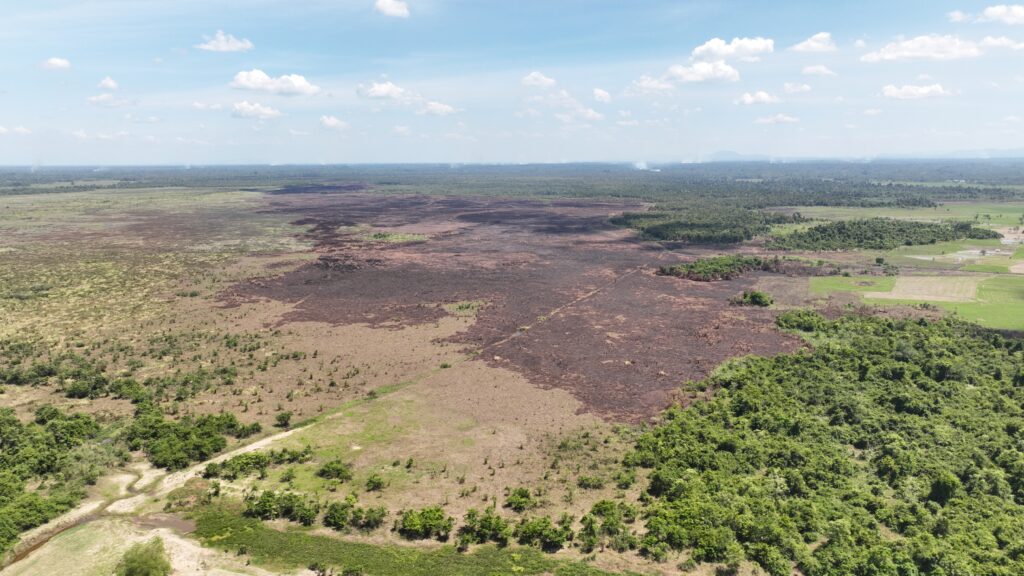
In April this year, the Philippines witnessed two close calls. Fire erupted in its two major peatlands. First, in the Caimpugan Peatland in the Agusan Marsh in Talacogon, Agusan del Sur. Then in the Leyte Sab-a Basin Peatland in Barangay Divisoria, Sta. Fe, Leyte.
The surface fire in Leyte was caused largely by the scorching summertime heat in a degraded landscape. It took four long hours for the firefighters, communities, and the local governments of Sta. Fe, Palo, Pastrana, and Alangalang to finally quell the flames.
But in the Agusan Marsh, what started as simple — and albeit illegal — slash-and-burn practices (locally called kaingin) among Talacogon farmers, drainage system construction for agriculture, and vegetation burning for fishing quickly turned into sweltering weeks of intense firefighting for communities, local government units, and the Bureau of Fire Protection (BFP). It remains unclear whether the fire in Talacogon reached the peat.
You see, peat fires burn differently. Once the flames touch peat soil, they can smolder underground for days—sometimes weeks—releasing massive amounts of carbon stored over thousands of years, destroying critical habitats for countless species, and worsening the risk of flooding in nearby communities.
And what makes them burn is painfully clear: drainage, land conversion, and kaingin practices that dry out and weaken peat soils until they become fuel.
It is easy to point fingers and blame the farmers. But in a country that lacks in-depth peatland research and a unified framework for peatland protection, the next step for the Philippine government is clear: pass the National Peatlands Conservation Act. This would establish a coordinated system for conservation, restoration, and sustainable management.
Policy Meets Action
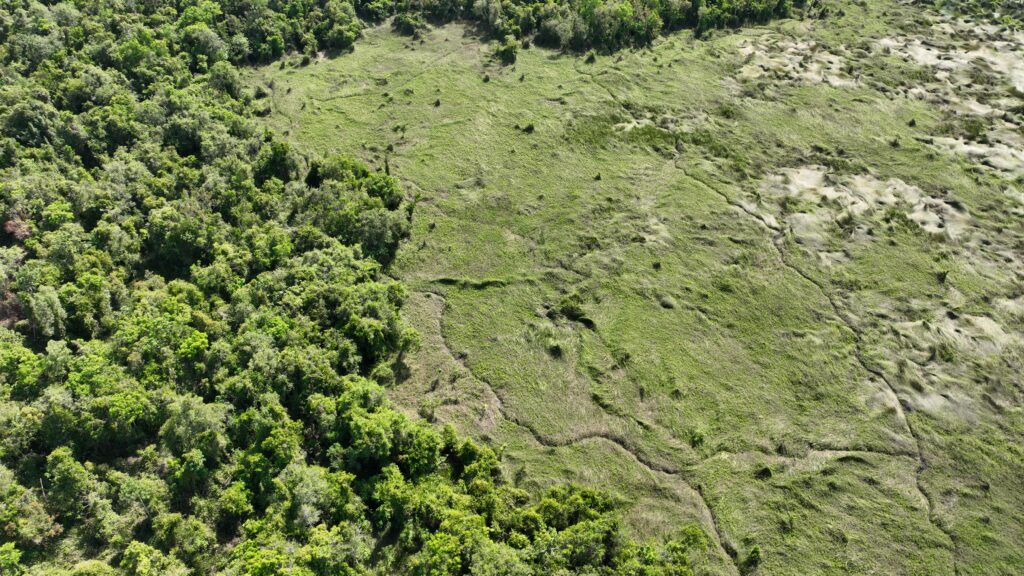
This June 2, we celebrate World Peatlands Day to remember why peatlands must be studied, protected, and sustainably managed. They are living climate shields, biodiversity strongholds, and lifelines for communities.
The National Peatlands Conservation Act must be passed and enacted NOW. Because without a law, accountability remains optional. And our peatlands continue to burn.
We must protect our remaining peatlands from conversion and drainage. We must regulate and prevent destructive practices like kaingin. We must invest in community-based stewardship and fire prevention. And we must restore degraded peatlands before it is too late.
This is a shared responsibility of government, civil society, the academe, the private sector, communities, and individuals.
We must learn to say No to open burning, No to drainage, and No to encroachment. If anything should be on fire, it should be the fire to push for the passage of the National Peatlands Conservation Act. Our peatlands must remain wet.
This World Peatlands Day, let us move beyond awareness and demand accountability. This should be the last time we mark World Peatlands Day with burned peatlands.
Pass the National Peatlands Conservation Act. Protect what still protects us.
About the Author
Danica Uy is a Communications Officer of Wetlands International Philippines. She finds meaning in applying her skills to advance science communication and wetland advocacy.