
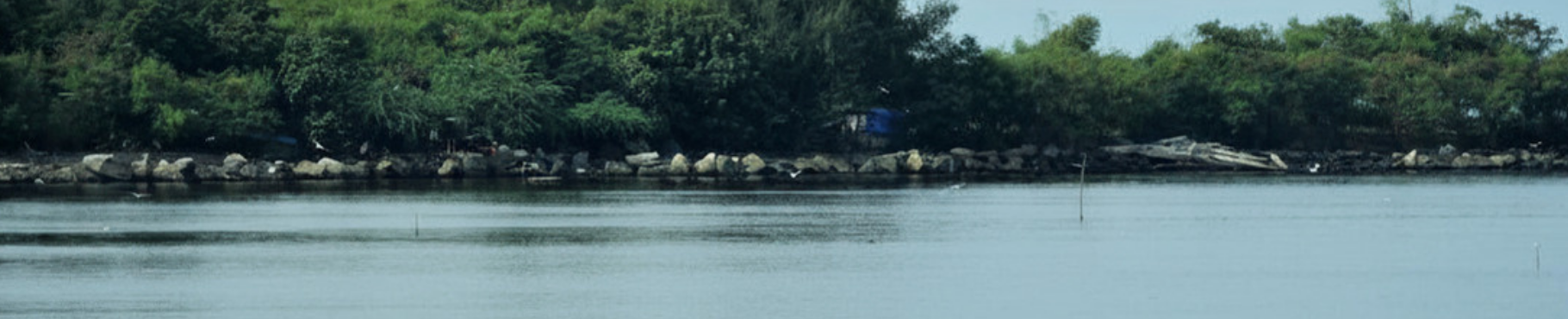
Aviation safety and wetland conservation should go hand in hand
-
relocation
-
Mangroves
-
Mudflats
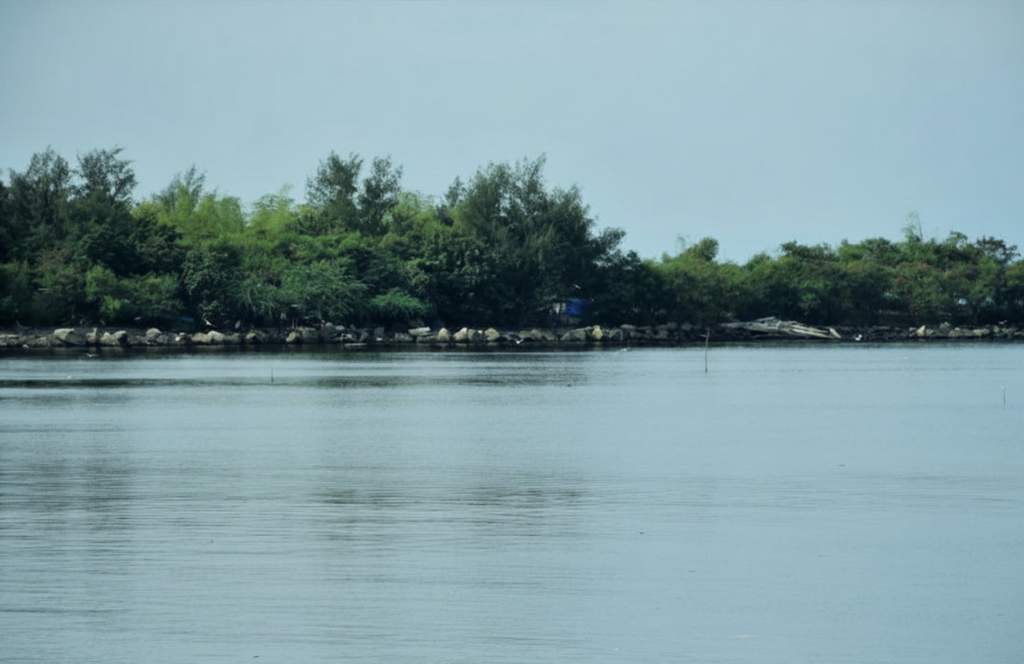
The Las Piñas–Parañaque Wetland Park (LPPWP), formally known as the Las Piñas–Parañaque Critical Habitat and Ecotourism Area (LPPCHEA), is one of the few remaining mudflat ecosystems in Manila Bay.
It seasonally serves as a vital feeding, nesting, and resting habitat for both resident and migratory waterbirds that travel along the East Asian–Australasian Flyway (EAAF), one of the world’s most important migratory bird routes.
Among the species that depend on the site are the threatened Philippine Duck (Anas luzonica), which is believed to breed within the area, and the Black-winged Stilt (Himantopus himantopus), a migratory species of international conservation significance. Records from 2007 to 2011 showed that the site regularly supported at least one percent of the flyway population of Black-winged Stilts, meeting internationally recognized criteria for wetland importance.
Recognizing its ecological significance, the Philippine Government designated the area as a Critical Habitat through Presidential Proclamation No. 1412 in 2007 to protect threatened, restricted-range, and congregator species.
Subsequently, the Government nominated the site for inclusion in the List of Wetlands of International Importance under the Ramsar Convention on Wetlands, and in 2013, it was successfully designated as Ramsar Site No. 2121.
The Philippines, as a Contracting Party to the Ramsar Convention, the Convention on Biological Diversity, and the Convention on Migratory Species, has committed to conserving and wisely managing ecosystems such as LPPWP for the benefit of present and future generations.
Today, LPPWP stands as one of only ten Ramsar Sites in the Philippines and represents a national commitment to biodiversity conservation, environmental sustainability, climate resilience, and nature-based recreation and education.
Its value extends beyond wildlife protection; it provides ecosystem services that benefit surrounding communities and contributes to the ecological health of Manila Bay.
At the same time, we recognize the serious concerns raised regarding bird strike incidents in and around the Ninoy Aquino International Airport (NAIA).
Aviation safety is paramount, and every effort must be made to minimize risks to passengers, flight crews, and airport operations. However, effective solutions must be based on sound science, evidence, and a comprehensive understanding of the factors contributing to bird strike incidents.
We recognize that airport safety is a shared responsibility among multiple stakeholders. As such, the relevant airport authorities, including NAIA’s Safety Management and Wildlife Hazard Management teams, should regularly assess and manage airport habitats to reduce the risk of bird-aircraft collisions.
As a general principle, areas within and immediately surrounding airport operations should not provide suitable conditions for birds to feed, roost, nest, or breed. Managing these attractants is a globally recognized practice in reducing bird strike risks and should form part of a comprehensive, science-based wildlife hazard management strategy.
However, before considering drastic measures such as relocating a protected wetland ecosystem, it is essential to answer several critical questions:
- Which bird species are responsible for the reported bird strike incidents?
- What proportion of these species originate from or regularly use LPPWP?
- What studies and monitoring data on bird strikes have been conducted over the last decade?
- What recommendations emerged from these studies, and have they been fully implemented?
- What airport wildlife hazard management measures are currently in place, and how effective have they been?
- Are there other significant sources of bird strike risk within and around the airport ?
A thorough, transparent, and science-based assessment is necessary to identify the root causes of bird strikes and develop appropriate mitigation measures that balance public safety and environmental stewardship.
We therefore call on the Philippine Government, aviation authorities, conservation agencies, scientists, local governments, and other stakeholders to work together in undertaking an evidence-based review of bird strike risks and management options.
Solutions should strengthen aviation safety while upholding the country’s national and international commitments to biodiversity conservation and wetland protection.
The establishment and effective management of Ramsar Sites and other protected areas should continue to be guided by science, stakeholder participation, and good governance.
Conserving valuable ecosystems such as the Las Piñas–Parañaque Wetland Park while addressing legitimate public safety concerns is not a choice between people and nature—it is an opportunity to demonstrate that both can be protected through informed and collaborative action.